
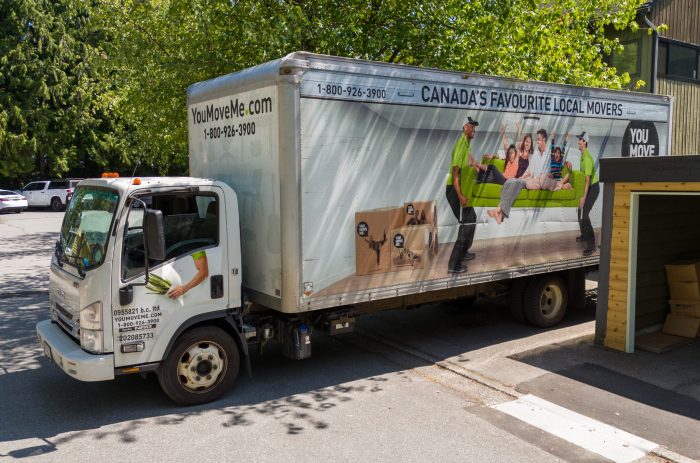
Moving heavy furniture is one of those tasks that looks straightforward until you actually try it. A sectional sofa that weighed nothing when it came in flat-packed is suddenly a 350-pound problem that does not fit through the doorway it came through. A gun safe that sat in the basement for a decade has to come out for the first time. A grandfather clock has been in the family for 80 years and you are responsible for getting it across town without ruining it.
You Move Me Edmonton handles heavy furniture moves regularly across Edmonton, Sherwood Park, St. Albert, Spruce Grove, and the surrounding communities. From sectionals in newer Riverbend homes to antique pieces in century houses in Old Strathcona, we have moved most of the things heavy furniture movers get called for. This guide walks you through what to know before you move heavy furniture in Edmonton: when you can do it yourself, when you cannot, and what to look for in a professional crew.
Can I Move Heavy Furniture Myself?
You can move some heavy furniture yourself, but the safety margin gets thin fast as items get heavier, taller, or more awkwardly shaped. Anything over about 150 pounds, anything that has to go up or down stairs, and anything fragile or valuable should make you seriously consider hiring professionals. The risks fall into three categories: damage to your furniture, damage to your home, and injury to the people moving.
What Goes Wrong When People Move Heavy Furniture Without Help
- Back and shoulder injuries. Heavy furniture causes more household injuries than almost any other home task. A wrenched back can keep you out of work for weeks.
- Dropped items. A 400-pound armoire that slips out of grip on a staircase is going through whatever is below it.
- Damaged floors. Heavy furniture dragged or set down without floor protection scratches hardwood, dents laminate, and tears carpet.
- Damaged walls and doorways. Tight turns with bulky items punch through drywall, chip paint, and crack door frames.
- Broken furniture. Improperly tilted heavy furniture can crack under its own weight. Antiques and veneers can split or chip even with small impacts.
- Stuck loads. The moment a heavy piece gets wedged in a doorway or stair landing, you have to figure out how to get it unstuck before you can rest. People sometimes spend hours on a single stuck couch.
The Minimum Setup if You Insist on DIY
If you are committed to moving heavy furniture without professional help, do not start until you have all of this:
- Furniture sliders. Plastic or felt pads that go under furniture legs to let pieces slide across floors without damage.
- A heavy-duty dolly. Rated for the actual weight of what you are moving. Cheap dollies bend or break under real loads.
- Moving straps. Forearm straps or shoulder harnesses that let two people lift heavier weights with less back strain.
- Moving blankets. To wrap furniture and prevent scratches during the move.
- Floor protection. Cardboard sheets, plywood strips, or proper floor protectors along the route.
- At least three to four physically capable adults. Two-person heavy furniture moves are dangerous. Stairs and tight corners need more people.
- A clear plan. Measure every doorway, hallway, and stair landing before you start. Plan turns. Identify pinch points. Decide who is doing what before anyone lifts.
If any of those pieces are missing, hire professionals. The cost of a wrenched back or a broken piece of furniture almost always dwarfs the cost of a proper move.
How Do Professionals Move Heavy Furniture Safely?
Professionals move heavy furniture safely by combining the right equipment, the right technique, and the right number of people. The process is more deliberate than most people expect, and that deliberation is what prevents damage. Here is the rough sequence a trained crew follows on a typical heavy furniture move in Edmonton.
The Professional Sequence
- Survey the route. Before touching anything, the crew walks the route from where the item is to where the truck is parked. They measure tight doorways, identify pinch points, and decide whether anything needs to come apart.
- Lay floor protection. Moving blankets, floor runners, or temporary plywood along the route. Hardwood, tile, and carpet all need different protection.
- Disassemble where it helps. Sectional couches come apart at the seams. Bed frames disassemble. Dining tables lose their legs. Disassembly saves time and prevents damage during tight turns.
- Wrap the item. Heavy moving blankets cover every surface that might touch a wall, doorframe, or floor. Stretch wrap or tape holds the blankets in place.
- Lift with proper technique. One mover at each end with forearm straps or shoulder harnesses, knees bent, back straight, lift coordinated. Heavier items get four people or a dolly.
- Move slowly through pinch points. Tight turns and doorways are where damage happens. Crews pause, reposition, and inspect before committing to a tight passage.
- Secure in the truck. Heavy items go in first, against the cab wall, secured with tie-downs. Lighter items pack around them to prevent shifting in transit.
- Reverse the process at the destination. Same care unloading. Same floor protection. Same deliberate movement through pinch points.
The Equipment That Makes the Difference
Beyond moving blankets and dollies, professionals bring tools that most homeowners do not have access to: piano boards for very heavy or long items, stair-climbing dollies for staircases that would otherwise require dismantling, lifting straps that transfer load from arms to shoulders and core, and four-wheel furniture dollies for sliding heavy items across long flat distances. The right equipment is often the difference between a 20-minute job and a four-hour job.
Who Do You Hire to Move Heavy Furniture?
You hire a professional moving company with experience handling heavy furniture, real insurance, and W-2 employees rather than day labourers. The vetting checklist for a heavy furniture mover is the same as for any reputable moving company, but the stakes are higher because heavy furniture damage is often permanent and expensive.
What to Look for in a Heavy Furniture Mover
- W-2 employees, not day labourers. The single most important question to ask. A day-labour crew hired the morning of your move has never lifted anything together. They have no training. They have no accountability. Heavy furniture amplifies every weakness in a poorly trained crew.
- Canadian Association of Movers membership. CAM members carry minimum $1 million liability and $250,000 cargo insurance, follow a code of ethics, and have been in business for at least two years. You can verify any Canadian mover on the CAM Find a Mover directory.
- Experience with the specific item type. A crew that moves residential furniture every day may not have the right experience for a 1,200-pound gun safe or a baby grand piano. Ask how often they move items like yours.
- Proper equipment. Piano boards, stair-climbing dollies, lifting straps, four-wheel furniture dollies, and moving blankets in the truck before the crew arrives. Ask what they will bring.
- Insurance certificate emailed before the move. A legitimate mover will send it without hesitation. Look for $1 million liability and clearly stated cargo coverage.
- A written estimate. Phone-only verbal quotes can balloon on move day. Get a written quote that includes the hourly rate, any minimum hours, the travel fee, and what equipment is included.
- Reviews specifically referencing heavy furniture or specialty items. A company with hundreds of regular moving reviews and zero heavy furniture references may not have the experience. Look for specific mentions of safes, pianos, antiques, or large items in their reviews.
What Kinds of Furniture Need Professional Movers?
Most everyday furniture can be handled by capable adults with proper equipment. But certain items reliably justify hiring professionals because of weight, value, awkward shape, or fragility. If your move involves any of these, plan for a professional crew from the start.
Sectional Sofas
Sectional sofas look manageable until you try to navigate one through a doorway or down a staircase. Modern sectionals can weigh 250 to 400 pounds and often need to come apart at the seams. Edmonton walk-up apartments in Garneau, Strathcona, and Oliver are particularly tough on sectionals because of narrow staircases and tight turns at landings.
Gun Safes
Modern gun safes weigh 500 to 1,500 pounds. Moving one is a piano-equivalent job. You need a properly rated dolly, a coordinated lift team, and a plan for the stairs and doorways. Trying to move a heavy safe with two people and a regular dolly is one of the most common ways people get seriously injured during DIY moves.
Antique Furniture and Heirlooms
Solid wood antiques, marble-topped pieces, marquetry, veneer furniture, and grandfather clocks all require careful wrapping and handling. Damage to antiques is often irreversible. Custom crating is sometimes warranted for very high-value pieces.
Pianos
Pianos are their own specialty within heavy furniture moving. Upright pianos weigh 300 to 900 pounds. Grand pianos start around 650 pounds and can exceed 1,300 pounds. Most grand piano moves involve removing the legs and pedals and transporting the body on a specialized piano board. Never attempt a piano move yourself.
Pool Tables
Pool tables need to be partially dismantled for transport. The slate alone weighs 400 to 800 pounds depending on the table. Reassembly requires precise leveling at the destination so the table plays correctly.
Treadmills and Home Gym Equipment
Commercial-grade treadmills can weigh 250 to 500 pounds and have awkward weight distribution. Home gym multi-stations often need to be partially disassembled. Both can damage floors badly if dragged.
Hot Tubs and Saunas
Awkward shapes, significant weight, and the need to disconnect and protect plumbing components make these specialty jobs. Many residential movers will not handle hot tubs at all without specialty equipment.
Large Appliances
Commercial-grade ranges, built-in refrigerators, and commercial wine coolers can weigh 400 to 800 pounds and need specific handling to protect the appliance and the floors.
What Edmonton-Specific Challenges Affect Heavy Furniture Moves?
Moving heavy furniture in Edmonton comes with three local factors that shape how a job goes: heritage home logistics, walk-up apartment access, and Alberta winter conditions.
Heritage Homes and Century Properties
Older Edmonton neighbourhoods like Old Strathcona, Glenora, Westmount, and Highlands have a lot of heritage homes with narrow doorways, steep staircases, tight landings, and floors that need protection. A heavy piece that fits a modern Sherwood Park or Spruce Grove home easily may not fit a century-home staircase at all. A professional crew scouts these challenges before lifting anything.
Walk-Up Apartments
Garneau, Oliver, Strathcona, and downtown Edmonton have lots of walk-up apartment buildings with stairwells that were designed long before modern sectional sofas existed. Heavy furniture in a walk-up often needs to come apart, go up in pieces, and get reassembled inside the unit. Crews experienced with Edmonton walk-ups know which neighbourhoods have which staircase patterns.
Alberta Winter
Winter adds two specific risks to heavy furniture moves. The first is temperature shock for wood furniture, especially antiques, where rapid temperature changes can cause cracking. The second is ice on driveways and walkways, which makes heavy lifting genuinely dangerous. A piano dolly on ice does not stop. A professional crew salts and clears the route in advance, lays down protective mats, and schedules winter moves for the warmest part of the day between 10 in the morning and 3 in the afternoon.
Ready to Move Your Heavy Furniture?
If you are looking for a furniture mover in Edmonton, Sherwood Park, St. Albert, Spruce Grove, or one of the surrounding communities that meets every standard on this checklist, You Move Me Edmonton is ready when you are. Every mover on our crew is a fully trained, W-2 employee, not a day labourer. We are insured, transparent on pricing, and the crew that arrives at your door is the same crew that finishes the job. We use proper heavy furniture moving equipment, careful technique, and the kind of patience your furniture deserves.
You also get the small things other companies skip: complimentary coffee on move day, free wardrobe packing, floor and wall protection, and a housewarming plant when we leave. Those are part of how we do every move, including heavy furniture and specialty item moves.
Get a free, no-surprises estimate online through our free estimate page, learn more about our full range of moving services, or call us at (587) 329-8589 to talk through your move. Tell us what you are moving and where, and we will give you a clear price before you pay a dollar.